Introduction:
Have you ever wondered why urinary tract infections seem to appear suddenly and cause so much discomfort? Many people ask the same question: how do you get a UTI, and why does it happen even when you think you are doing everything right?
Urinary tract infections, commonly called UTIs, are one of the most common bacterial infections worldwide. Millions of people experience them every year. While they can affect anyone, they are especially common in women. A UTI happens when bacteria enter the urinary system and begin to multiply. This system includes the bladder, urethra, kidneys, and ureters.
Understanding how UTIs develop can help people prevent them and recognize symptoms early. In this guide, we will explore how UTIs happen, the most common causes, risk factors, symptoms, and ways to prevent them. By the end, you will have a clear understanding of what leads to a UTI and what steps you can take to protect your urinary health.
Understanding the Urinary Tract
What the Urinary System Does
Before understanding how do you get a UTI, it helps to know how the urinary tract works. The urinary system plays a vital role in keeping the body healthy by removing waste and excess fluids.
The system includes four main parts: the kidneys, ureters, bladder, and urethra. The kidneys filter waste from the blood and produce urine. This urine travels through the ureters and collects in the bladder until it is released through the urethra.
Under normal conditions, the urinary tract stays sterile. That means bacteria do not normally live there. However, if bacteria enter the system and multiply, an infection can occur.
Why the Urinary Tract Is Vulnerable to Infection
Even though the urinary tract has natural defenses, it can still become infected. The urethra, which is the tube that carries urine out of the body, provides a pathway where bacteria can enter.
Once bacteria enter the urethra, they can travel upward into the bladder. If the infection is not treated, it may continue to spread to the kidneys. This is why early detection and treatment are important.
In many cases, UTIs start in the bladder and are known as bladder infections or cystitis. These infections can cause discomfort but are usually treatable when caught early.
Why Women Get UTIs More Often
Women experience UTIs more often than men. This difference happens mainly because women have a shorter urethra. Because of this, bacteria have a shorter distance to travel to reach the bladder.
Another factor involves the location of the urethra. In women, it is closer to the anus, which is a natural source of bacteria. These bacteria can move into the urinary tract if proper hygiene practices are not followed.
However, men can also develop UTIs, especially as they age or if they have underlying health conditions.
How Do You Get a UTI? The Most Common Causes
Bacteria Entering the Urinary Tract
The most common answer to the question how do you get a UTI involves bacteria entering the urinary tract. The bacteria most often responsible is Escherichia coli, commonly known as E. coli. This bacteria normally lives in the intestines and around the anus.
When E. coli enters the urethra, it can travel into the bladder and multiply. This growth leads to infection and inflammation, which causes the symptoms associated with UTIs.
This process can happen quickly. Sometimes symptoms begin within a day or two after bacteria enter the urinary tract.
Improper Hygiene Habits
Hygiene plays an important role in preventing UTIs. Certain habits can increase the chances of bacteria entering the urinary tract.
For example, wiping from back to front after using the bathroom can move bacteria toward the urethra. This simple habit increases the risk of infection.
Not cleaning the genital area properly can also allow bacteria to grow and spread. Practicing good hygiene habits significantly reduces the risk of UTIs.
Holding Urine for Too Long
Many people occasionally delay going to the bathroom, but regularly holding urine can contribute to UTIs.
Urination helps flush bacteria out of the urinary tract. When someone holds urine for long periods, bacteria have more time to grow in the bladder.
Over time, this environment can lead to infection. For this reason, doctors often recommend urinating regularly throughout the day.
Sexual Activity and UTIs
Why Sex Can Trigger UTIs
Sexual activity is another common factor when discussing how do you get a UTI. During sexual intercourse, bacteria from the genital or anal area can move closer to the urethra.
The physical movement during sex can push bacteria into the urethra. Once inside, the bacteria may travel into the bladder and cause infection.
This is why some people experience UTIs shortly after sexual activity. These infections are sometimes referred to as “honeymoon cystitis.”
Not Urinating After Sex
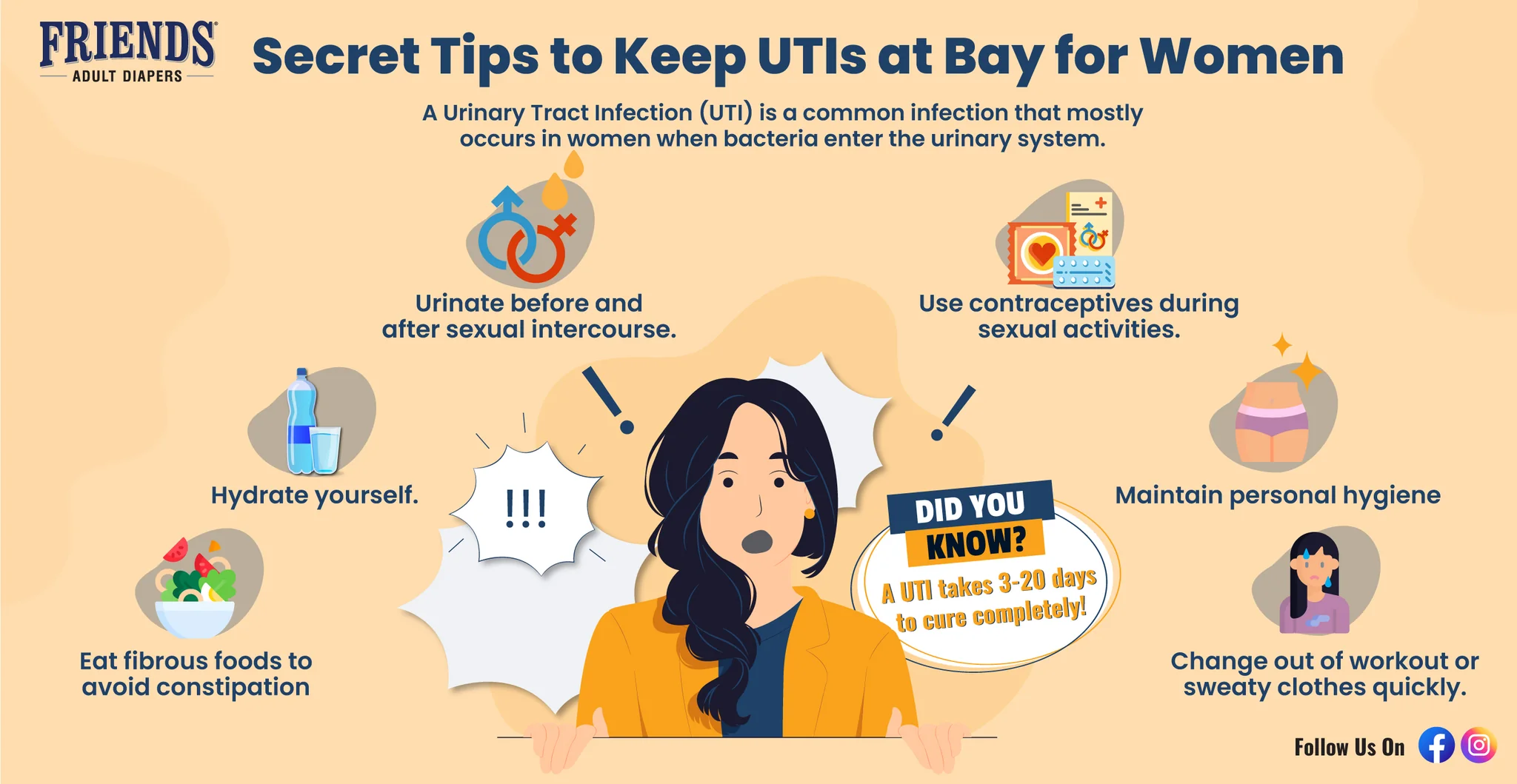
Doctors often recommend urinating after sexual activity. This simple step can help flush bacteria out of the urethra before they cause infection.
When someone skips this step, bacteria may remain in the urethra longer. This increases the chance that they will travel into the bladder.
While urinating after sex does not guarantee prevention, it is an easy habit that can reduce the risk.
Certain Birth Control Methods
Some birth control methods may increase the risk of UTIs. For example, diaphragms and spermicides can change the balance of bacteria around the urinary tract.
Spermicides may also irritate the urinary tract lining. This irritation can make it easier for bacteria to cause infection.
People who experience frequent UTIs may want to discuss alternative birth control methods with their healthcare provider.
Other Risk Factors That Can Cause UTIs
Dehydration
Drinking enough water plays an important role in urinary health. When someone does not drink enough fluids, they urinate less frequently.
Less frequent urination means bacteria remain in the urinary tract longer. This increases the chances of infection.
Staying hydrated helps flush bacteria from the bladder and reduces the risk of UTIs.
Weak Immune System
A strong immune system helps the body fight infections. When the immune system becomes weakened, the body may struggle to control bacterial growth.
Conditions such as diabetes or chronic illnesses can weaken immune defenses. This increases the likelihood of developing UTIs.
Additionally, certain medications that suppress the immune system may also raise the risk of infection.
Urinary Tract Blockages
Blockages in the urinary tract can prevent urine from flowing normally. When urine stays in the bladder too long, bacteria can multiply more easily.
Kidney stones are a common cause of such blockages. Enlarged prostate glands in men can also restrict urine flow.
These conditions make it easier for infections to develop and may lead to recurring UTIs.
Recognizing the Symptoms of a UTI
Early Warning Signs
Recognizing symptoms early can help prevent complications. The most common symptom of a UTI is a burning sensation during urination.
People may also feel a constant urge to urinate even when the bladder is nearly empty. This frequent urge can be uncomfortable and frustrating.
Another early sign is cloudy or strong-smelling urine. These changes may indicate bacterial growth in the urinary tract.
Moderate Symptoms
As the infection progresses, symptoms may become more noticeable. Lower abdominal pain or pelvic pressure often develops.
Urine may appear darker or contain traces of blood. This occurs because inflammation irritates the bladder lining.
Fatigue and mild fever can also appear as the body begins to fight the infection.
Severe Symptoms
If the infection spreads to the kidneys, symptoms can become serious. This condition is known as a kidney infection.
Signs may include high fever, chills, nausea, vomiting, and severe back pain near the kidneys.
Kidney infections require immediate medical attention. Without treatment, they can lead to serious complications.
How UTIs Are Diagnosed
Medical Evaluation
When someone experiences symptoms, a healthcare provider will usually begin with a medical evaluation. They may ask questions about symptoms, medical history, and recent activities.
This information helps determine whether the symptoms are likely caused by a UTI or another condition.
A physical examination may also be performed if necessary.
Urine Testing
The most common diagnostic method is a urine test. A small urine sample is analyzed to detect bacteria, white blood cells, and other signs of infection.
Sometimes the sample is sent to a laboratory for a urine culture. This test identifies the specific bacteria causing the infection.
Knowing the exact bacteria helps doctors choose the most effective treatment.
Imaging Tests in Complex Cases
In rare or complicated cases, doctors may use imaging tests. These tests examine the urinary tract for structural issues or blockages.
Ultrasounds or CT scans can reveal kidney stones or abnormalities that contribute to repeated infections.
However, most UTIs are diagnosed quickly with simple urine testing.
Treatment Options for UTIs
Antibiotics
The most common treatment for UTIs is antibiotics. These medications kill the bacteria responsible for the infection.
Doctors usually prescribe a short course of antibiotics lasting a few days. Symptoms often improve within 24 to 48 hours after starting treatment.
It is important to complete the entire prescription. Stopping antibiotics early can allow bacteria to survive and cause another infection.
Pain Relief
Some people experience discomfort during a UTI. Doctors may recommend pain relief medications to reduce burning sensations and bladder pressure.
These medications do not treat the infection itself. However, they can make the recovery process more comfortable.
Drinking plenty of water can also help relieve symptoms by flushing bacteria from the urinary system.
Treatment for Recurrent UTIs
Some individuals experience repeated infections. In these cases, doctors may recommend additional preventive treatments.
Low-dose antibiotics may be prescribed for a longer period. Lifestyle changes and dietary adjustments may also help reduce recurrence.
Identifying the underlying cause is essential for long-term prevention.
How to Prevent UTIs
Maintain Good Hygiene
Practicing proper hygiene is one of the best ways to prevent how do you get a uti. Always wipe from front to back after using the bathroom.
This habit prevents bacteria from moving toward the urethra. Keeping the genital area clean also reduces bacterial growth.
Simple hygiene habits can significantly lower infection risk.
Stay Hydrated
Drinking enough water is essential for urinary health. Water helps flush bacteria from the urinary tract before they multiply.
Most healthcare professionals recommend drinking several glasses of water throughout the day.
Frequent urination also helps remove harmful bacteria from the bladder.
Healthy Lifestyle Habits
Healthy habits support the immune system and reduce infection risk. Eating balanced meals and maintaining regular exercise can strengthen overall health.
Avoiding excessive caffeine and alcohol may also help reduce bladder irritation.
Finally, urinating after sexual activity and avoiding prolonged urine retention can protect the urinary tract from infection.
Conclusion:
So, how do you get a UTI? The answer usually comes down to bacteria entering the urinary tract and multiplying in the bladder. Factors such as hygiene habits, dehydration, sexual activity, and underlying health conditions can all contribute to the risk.
Although UTIs are common, they are usually easy to treat when recognized early. Paying attention to symptoms and seeking medical care when necessary can prevent complications.
Most importantly, simple lifestyle changes can greatly reduce the chances of infection. Staying hydrated, practicing good hygiene, and maintaining healthy habits all play a role in protecting urinary health.
Understanding the causes of UTIs empowers people to take better care of their bodies and avoid unnecessary discomfort. With the right knowledge and prevention strategies, many UTIs can be avoided altogether.