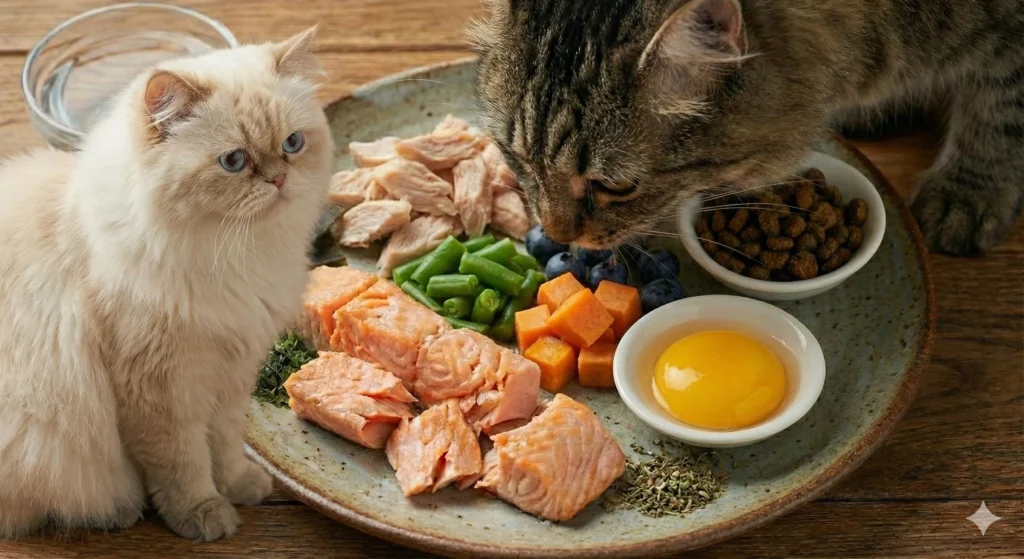
Have you ever looked at your cat’s food bowl and wondered what’s really inside that kibble? If you’ve been thinking about giving your feline friend something fresher, healthier, and more tailored, homemade cat food might be exactly what you’re looking for.
Let’s dive deep into this topic and explore everything you need to know—from benefits and risks to recipes and expert tips—so you can make informed choices without second-guessing yourself
Why Homemade Cat Food Is Gaining Popularity
A Shift Toward Natural Feeding
More pet owners are moving away from processed pet foods and embracing natural alternatives. It’s not just a trend—it’s a mindset shift. People now pay closer attention to ingredients, sourcing, and nutrition, not only for themselves but also for their pets.
Homemade cat food fits perfectly into this approach. It allows you to control what your cat eats, avoid unnecessary fillers, and focus on whole, nutrient-dense ingredients. That sense of control is something many pet owners find empowering.
At the same time, increased awareness about food recalls and questionable ingredients in commercial cat foods has pushed many toward homemade options. When you prepare meals yourself, there are no surprises.
Building a Stronger Bond with Your Cat
Feeding your cat isn’t just about nutrition—it’s also about care and connection. Preparing food at home can make you feel more involved in your pet’s well-being.
Cats are sensitive creatures. They quickly recognize routines, smells, and textures. When you switch to homemade meals, you might notice your cat becoming more engaged during feeding time.
This emotional aspect is often overlooked, but it matters. Providing food made with intention can strengthen your relationship with your pet in subtle but meaningful ways.
Customizing for Individual Needs
Every cat is different. Some have allergies, while others struggle with weight or digestive issues. Commercial foods try to cover general needs, but they rarely address individual requirements perfectly.
Homemade cat food allows for customization. You can adjust protein sources, fat content, and portion sizes based on your cat’s specific condition.
For example, if your cat has a sensitive stomach, you can choose easily digestible proteins and avoid irritants. If weight management is a concern, you can control calorie intake more precisely.
Understanding Your Cat’s Nutritional Needs
Cats Are Obligate Carnivores
Before you start cooking, it’s crucial to understand one key fact: cats are obligate carnivores. This means their bodies are designed to thrive on animal-based proteins.
Unlike dogs, cats cannot rely on plant-based nutrition. They need specific nutrients found only in animal tissues, such as taurine, arachidonic acid, and certain vitamins.
Skipping or replacing these essential components can lead to serious health issues over time. So, while homemade food offers flexibility, it also comes with responsibility.
Essential Nutrients Your Cat Needs
A balanced homemade diet must include:
- Protein from meat, poultry, or fish
- Taurine, vital for heart and eye health
- Fats for energy and coat condition
- Vitamins and minerals, including calcium and phosphorus
- Water, especially important since cats often don’t drink enough
Each of these elements plays a role in maintaining your cat’s overall health. Missing even one can disrupt the balance.
That’s why blindly following random recipes online isn’t a good idea. Understanding the “why” behind each ingredient makes a huge difference.
The Role of Supplements
Even with fresh ingredients, homemade meals may not always meet all nutritional requirements. This is where supplements come in.
Taurine supplements are especially important, as cooking can reduce its natural levels in meat. Calcium is another key addition, often provided through ground eggshells or specialized powders.
It’s not about overloading the diet—it’s about filling the gaps. Think of supplements as fine-tuning rather than replacing real food.
Benefits of Homemade Cat Food
Better Ingredient Quality
One of the biggest advantages is knowing exactly what goes into your cat’s bowl. You can choose fresh, high-quality meats and avoid artificial additives.
Commercial foods often contain preservatives, flavor enhancers, and fillers. While not all are harmful, they aren’t always necessary either.
With homemade meals, simplicity becomes your strength. Fewer ingredients often mean fewer risks.
Improved Digestion and Health
Many cat owners report noticeable improvements after switching to homemade diets. These can include:
- Shinier coats
- Better digestion
- Increased energy levels
- Reduced allergies
These benefits usually come from removing low-quality ingredients and focusing on nutrient-dense foods.
However, it’s important to note that results vary. What works for one cat might not work for another.
Greater Transparency and Trust
When you prepare food yourself, there’s complete transparency. You’re not relying on labels or marketing claims.
This builds trust—not just in the food but also in your ability to care for your pet effectively.
Over time, this confidence can make you more attentive to your cat’s overall health and behavior.
Risks and Challenges to Consider
Nutritional Imbalance
The biggest risk of homemade cat food is imbalance. Without proper planning, meals can lack essential nutrients.
Cats require very specific dietary components. Missing taurine, for instance, can lead to severe health issues, including heart problems.
That’s why it’s critical to follow well-researched recipes or consult a veterinarian.
Time and Effort
Preparing homemade meals takes time. From sourcing ingredients to cooking and portioning, it’s a commitment.
For busy individuals, this can become overwhelming. Consistency is key, and skipping steps can affect the quality of the diet.
Batch cooking can help, but it still requires planning and organization.
Cost Considerations
High-quality ingredients aren’t cheap. While homemade food can sometimes save money, it often ends up costing more than commercial options.
However, many pet owners see it as an investment in their cat’s long-term health.
Balancing cost with quality is part of the process.
Essential Ingredients for Homemade Cat Food
Protein Sources
Protein is the foundation of any cat diet. Good options include:
- Chicken
- Turkey
- Beef
- Rabbit
- Fish (in moderation)
Each protein source has its own nutritional profile. Rotating proteins can help provide variety and reduce the risk of allergies.
Freshness matters. Always choose high-quality, human-grade meat when possible.
Organ Meats
Organ meats are nutrient powerhouses. Liver, for example, is rich in vitamins A and B.
However, they should be used in moderation. Too much liver can lead to vitamin A toxicity.
A balanced approach ensures your cat gets the benefits without the risks.
Fats and Oils
Fats provide energy and support skin and coat health. Animal fats are ideal, but small amounts of fish oil can also be beneficial.
Omega-3 fatty acids help reduce inflammation and promote overall well-being.
Balance is important here too. Too much fat can lead to weight gain.
Simple Homemade Cat Food Recipes
Chicken-Based Recipe
This is a beginner-friendly option:
- Cooked chicken (boneless and skinless)
- Small amount of chicken liver
- Cooked rice (optional and minimal)
- Taurine supplement
- Ground eggshell for calcium
Mix everything thoroughly and ensure the texture suits your cat’s preference.
This recipe is simple but still needs proper supplementation to be complete.
Fish-Based Recipe
For cats that love seafood:
- Cooked salmon or tuna
- Small portion of vegetables like pumpkin
- Fish oil
- Taurine supplement
Fish should not be the main diet long-term. It works best as an occasional meal.
Overfeeding fish can lead to nutrient imbalances.
Raw Diet Option
Some pet owners prefer raw feeding:
- Raw meat (chicken or beef)
- Ground bone
- Organ meat
- Supplements
Raw diets require strict hygiene practices. Improper handling can lead to bacterial contamination.
If you choose this route, research thoroughly and consult an expert.
Transitioning Your Cat to Homemade Food
Start Slowly
Cats don’t like sudden changes. Switching food too quickly can cause digestive upset or outright refusal.
Begin by mixing a small amount of homemade food with their current diet. Gradually increase the proportion over time.
Patience is key. Rushing the process can backfire.
Observe Your Cat’s Reaction
Pay close attention to your cat’s behavior and health during the transition.
Look for signs like:
- Changes in appetite
- Digestive issues
- Energy levels
These indicators help you determine whether the new diet is working.
Adjust as Needed
Not every recipe will suit your cat. Be prepared to tweak ingredients and ratios.
Flexibility is one of the biggest advantages of homemade feeding. Use it to your benefit.
Expert Tips for Success
Consult a Veterinarian
This cannot be stressed enough. A professional can guide you in creating a balanced diet tailored to your cat’s needs.
They may also recommend specific supplements or adjustments based on your cat’s health condition.
Skipping this step increases the risk of nutritional deficiencies.
Keep It Simple
You don’t need complicated recipes. Focus on quality ingredients and proper balance.
Overcomplicating things can make the process harder to maintain.
Consistency matters more than variety.
Practice Safe Food Handling
Cleanliness is crucial, especially when dealing with raw or fresh ingredients.
Always wash your hands, sanitize surfaces, and store food properly.
This protects both you and your cat from potential health risks.
Common Mistakes to Avoid
Ignoring Nutritional Balance
This is the most common mistake. Homemade doesn’t automatically mean healthy.
Without proper planning, even the freshest ingredients can fall short.
Always prioritize balance over convenience.
Overfeeding or Underfeeding
Portion control is just as important as ingredient quality.
Too much food can lead to obesity, while too little can cause malnutrition.
Monitoring your cat’s weight helps maintain the right balance.
Skipping Supplements
Even well-prepared meals may lack certain nutrients.
Supplements fill these gaps and ensure your cat gets everything it needs.
Neglecting them can have long-term consequences.
Is Homemade Cat Food Right for You?
Weighing the Pros and Cons
Homemade cat food offers clear benefits, but it also comes with responsibilities.
If you’re willing to invest time, effort, and attention, it can be a rewarding choice.
However, if consistency is a challenge, commercial high-quality foods might be a better option.
Finding the Right Balance
You don’t have to go all-in. Many pet owners combine homemade meals with commercial food.
This hybrid approach provides flexibility while maintaining nutritional balance.
It’s not about perfection—it’s about what works best for you and your cat.
Conclusion:
Homemade cat food isn’t just about cooking—it’s about understanding your cat’s needs and making thoughtful choices. It gives you control, transparency, and the opportunity to provide something truly tailored.
That said, it’s not a shortcut to better health. It requires knowledge, consistency, and a willingness to learn.
If you approach it with care and attention, homemade feeding can become one of the most rewarding aspects of pet ownership. Your cat may not say thank you, but you’ll see it in their energy, coat, and overall happiness.