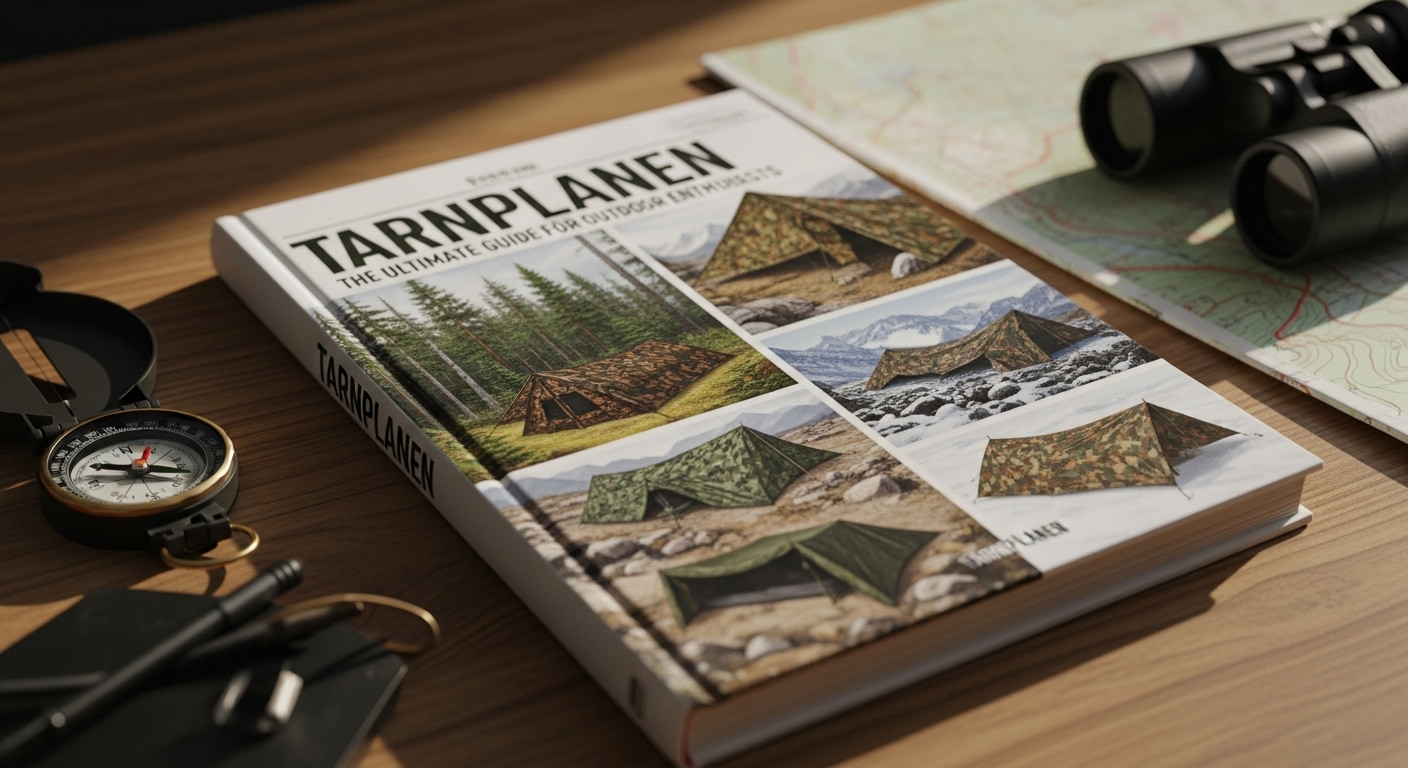
Have you ever wondered why camouflage tarps (tarnplanen) are used everywhere from camping trips to military operations and even backyard storage? What makes them so versatile that almost every outdoor enthusiast eventually ends up owning one?
Tarnplanen, commonly known as camouflage tarps or simply camo tarps, are far more than just sheets of fabric. They are practical tools designed for protection, concealment, and adaptability in a wide range of environments. Whether you’re a camper, hunter, gardener, or someone who just needs reliable outdoor coverage, these tarps can make life significantly easier.
In this detailed guide, we will break down everything about tarnplanen — their materials, uses, advantages, patterns, maintenance, and even smart buying tips. By the end, you’ll understand why they are considered one of the most practical outdoor essentials available today.
What Are Tarnplanen and Why Are They So Popular?
Tarnplanen are specially designed tarpaulins that feature camouflage patterns and are built for both protection and concealment. Unlike ordinary plastic sheets, they are engineered to blend into natural surroundings while also shielding objects from rain, wind, sunlight, and dust.
One of the main reasons they are so popular is their versatility. You can use them in forests, gardens, construction sites, or even urban environments. They are lightweight yet durable, making them easy to carry and set up wherever needed.
Another reason for their popularity is practicality. People don’t just use them for hiding things; they also use them to create temporary shelters, protect equipment, or cover outdoor furniture. In short, they are a multi-purpose solution for both everyday and professional use.
Materials Used in Tarnplanen and Their Performance
The effectiveness of a tarnplane depends heavily on the material it is made from. Different materials offer different levels of durability, flexibility, and weather resistance.
One of the most common materials is polyethylene (PE). It is lightweight, waterproof, and cost-effective. PE tarps are ideal for short-term use and general outdoor protection. However, they may wear out faster under extreme conditions.
On the other hand, polyester-based tarps are much stronger and more durable. They resist UV rays better, making them suitable for long-term outdoor exposure. These are often preferred by professionals who need reliable and long-lasting protection.
Some high-quality tarnplanen also come with reinforced coatings or lamination. These layers enhance waterproofing and tear resistance, ensuring that the tarp can withstand heavy rain, strong winds, and continuous sun exposure without degrading quickly.
Common Uses of Tarnplanen in Everyday Life
Tarnplanen are widely used in many different fields, which is what makes them so valuable. One of the most common uses is camping. They are often used as ground covers, rain shelters, or additional protection over tents.
In gardening and home use, tarnplanen are equally useful. People use them to cover firewood, protect outdoor furniture, or shield tools and equipment from harsh weather. They help keep things clean, dry, and hidden when necessary.
In military and tactical applications, camouflage tarps play a crucial role in concealment. They are used to hide vehicles, equipment, and temporary bases from aerial or ground observation. The camouflage design helps them blend naturally into forests, deserts, or urban landscapes.
Types of Camouflage Patterns and Their Purpose
Not all tarnplanen look the same. Their patterns are specifically designed to match different environments, which makes them more effective in certain conditions.
Forest camouflage is the most common type. It uses green, brown, and black tones to blend into wooded environments. This makes it perfect for camping, hunting, and military use in forested areas.
Desert camouflage, on the other hand, uses sandy beige and light brown tones. These tarps are designed to match dry, arid environments where vegetation is minimal. They reduce visibility while also reflecting sunlight.
Urban camouflage includes grey, black, and geometric patterns. These are ideal for city environments where buildings and concrete dominate the landscape. Each pattern is carefully designed to serve a specific purpose.
How to Choose the Right Tarnplane
Choosing the right tarnplane depends on how and where you plan to use it. The first factor to consider is size. Smaller tarps are suitable for personal use like camping, while larger ones are needed for covering vehicles or building shelters.
The second factor is durability. If you only need a tarp for occasional use, a lightweight polyethylene option is fine. However, for long-term or heavy-duty use, a reinforced polyester tarp is a better investment.
Another important feature is the attachment system. Look for tarps with strong metal eyelets or reinforced edges. These make installation easier and prevent tearing when the tarp is tied down in windy conditions.
Proper Care and Maintenance of Tarnplanen
Taking care of your tarnplane can significantly extend its lifespan. Even though they are designed to be tough, proper maintenance is still important.
After each use, clean the tarp to remove dirt, mud, or debris. This prevents material degradation over time. In most cases, a simple rinse with water is enough.
It is also important to dry the tarp completely before storing it. Storing it while damp can lead to mold and unpleasant odors. Always make sure it is fully dry before folding it.
Finally, store it in a cool, dry place away from direct sunlight. This helps preserve the material and keeps it ready for future use.
Creative and Practical DIY Uses of Tarnplanen
Tarnplanen are not just functional — they are also incredibly creative tools. With a little imagination, you can use them in many innovative ways.
One popular DIY use is building temporary shelters. Whether you are camping or working outdoors, a tarp can be quickly transformed into a roof or wind barrier using ropes and poles.
They are also widely used as privacy screens. In gardens or balconies, tarnplanen can block unwanted views while still allowing airflow. This makes them a simple yet effective privacy solution.
Additionally, creative individuals use them for projects like protective covers for bikes, makeshift storage covers, or even custom outdoor gear. Their flexibility makes them ideal for experimentation.
Advantages and Disadvantages of Tarnplanen
Like any product, tarnplanen come with both benefits and limitations. One of their biggest advantages is versatility. They can be used in countless situations without needing special tools or installation methods.
Another major advantage is durability. High-quality tarps can withstand harsh weather conditions, including rain, UV exposure, and wind. This makes them a reliable long-term investment.
However, cheaper models may not last very long and can tear easily under stress. Also, not every camouflage pattern is suitable for all environments, so choosing the wrong type may reduce effectiveness.
Despite these minor drawbacks, the benefits far outweigh the disadvantages when you choose a good-quality product.
Future Trends and Innovations in Tarnplanen
The world of tarnplanen is evolving quickly with new technologies and materials. Manufacturers are constantly improving durability, flexibility, and environmental resistance.
One interesting development is adaptive camouflage technology. This advanced concept allows materials to adjust their appearance based on surroundings. While still in development, it represents the future of concealment materials.
Sustainability is another major trend. Eco-friendly materials are being introduced to reduce environmental impact while maintaining strength and performance.
We are also seeing multi-functional tarps that combine insulation, waterproofing, and UV protection in a single product. These innovations are making tarnplanen more advanced and useful than ever before.
Conclusion:
Tarnplanen are much more than simple covers. They are practical, durable, and highly adaptable tools that serve a wide range of purposes. From outdoor adventures to professional use, their applications are nearly endless.
By choosing the right material, size, and pattern, you can get a tarp that perfectly suits your needs. With proper care, it can last for years and provide reliable protection in almost any situation.
In a world where versatility matters, tarnplanen stand out as one of the most useful and cost-effective outdoor essentials you can own.